How itworks
Everything about Pump Funtasy, from ripping your first pack to the exact formula that scores your deck. Read it once, then go farm the leaderboard.
The short version
Fantasy sports for the trenches. The athletes are pump.fun's top traders, the stats are what they actually do on Solana and on X, and two battles run around the clock.

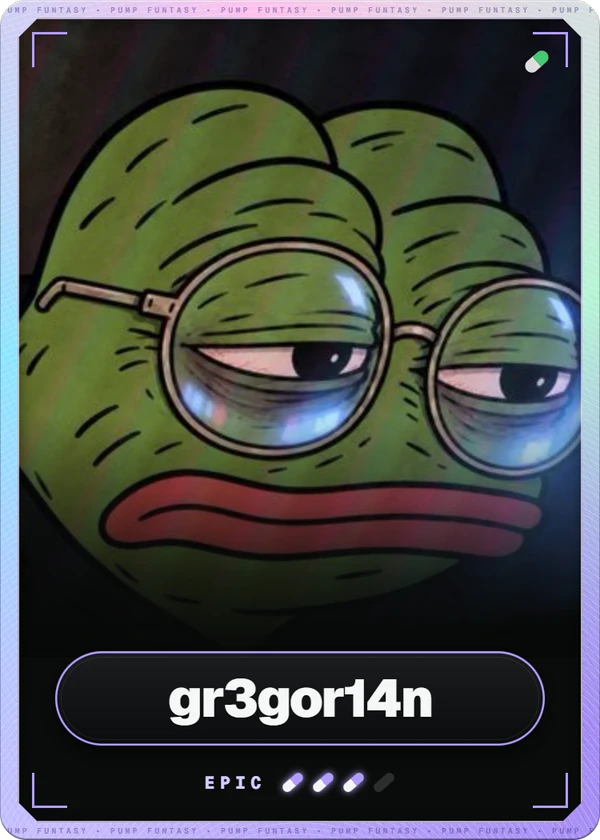
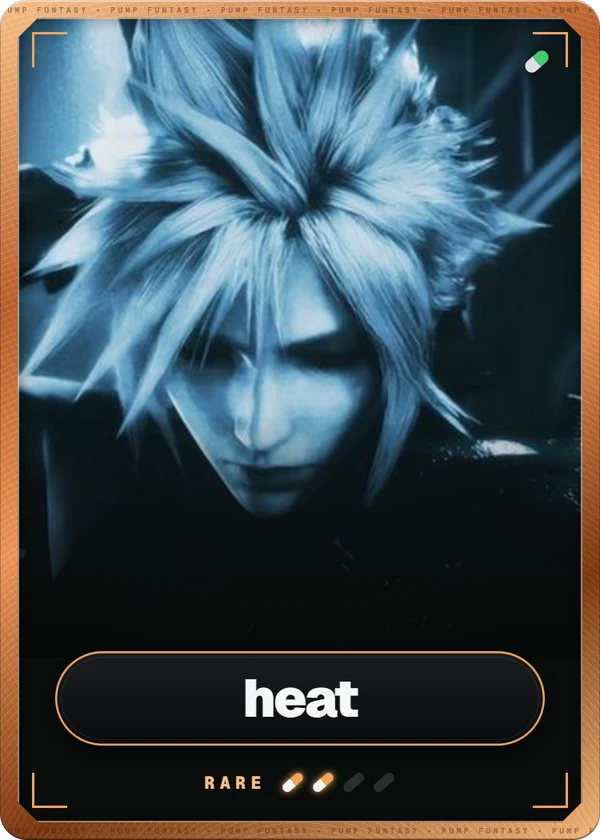
Five random cards of real pump.fun traders.

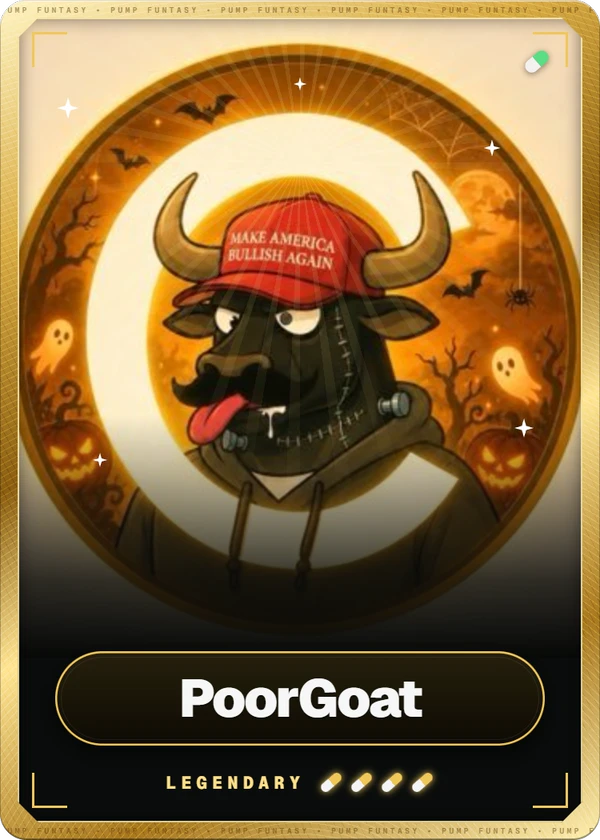
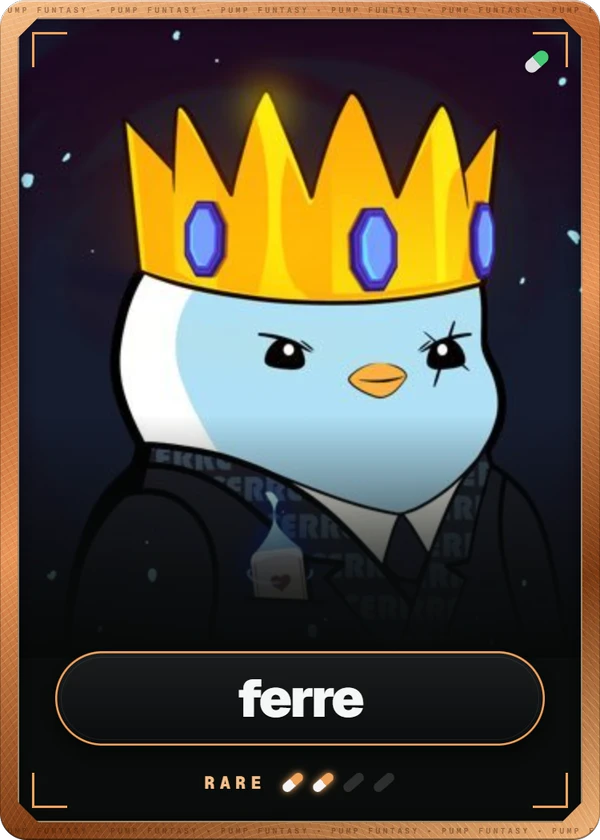
Five different traders into Blitz or Marathon.
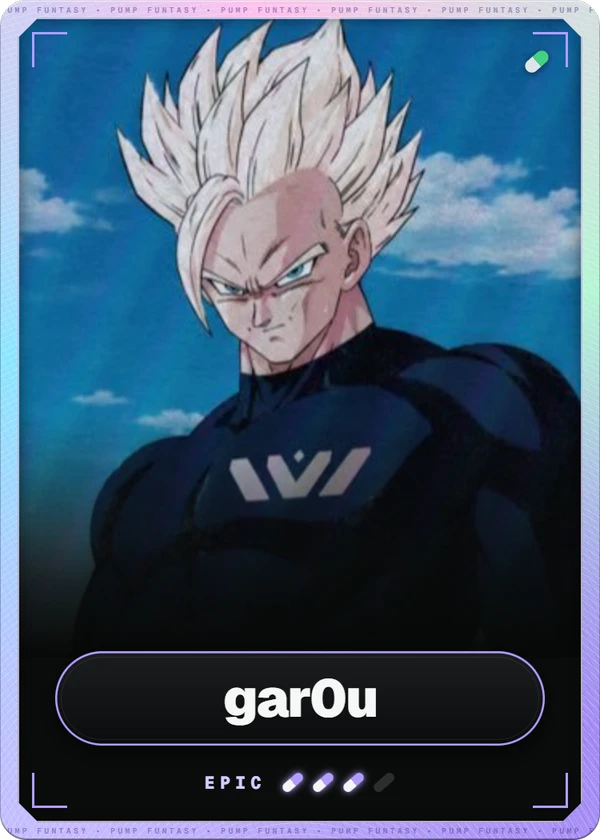
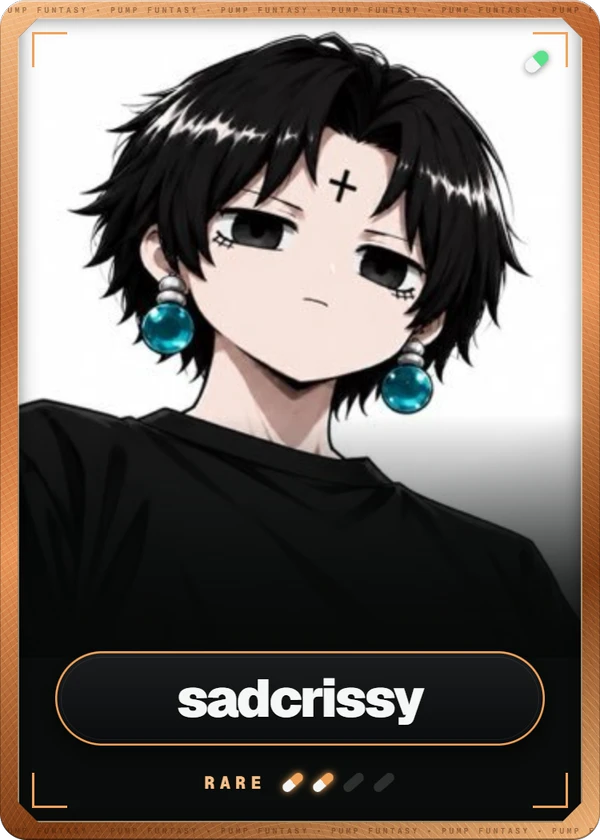
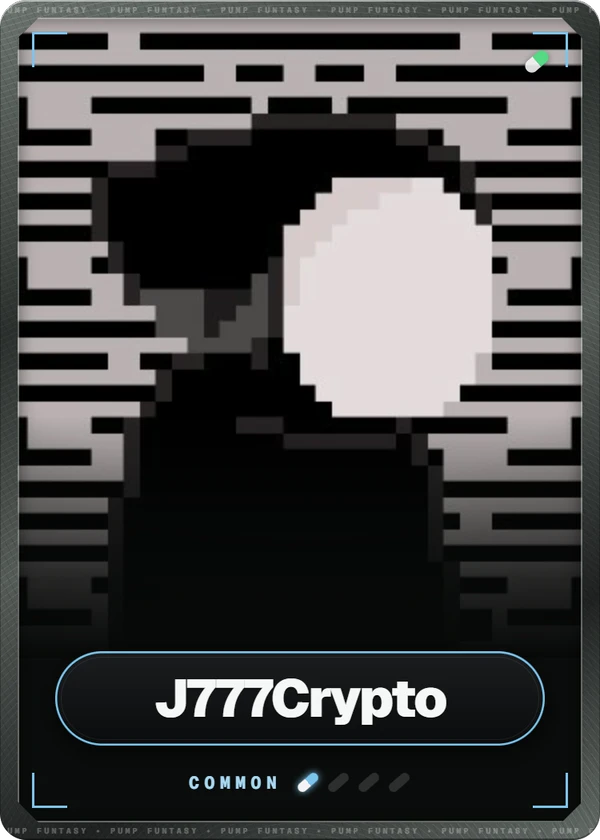 ◎ SOL
Best decks of every round win SOL and packs.
Every trader has a card in four rarities. Rip packs to collect them, craft duplicates into rarer ones, and lock five cards into a deck for a battle. When the battle ends, each card scores its trader's score × its rarity multiplier, and the best decks win SOL and packs.
Cards are Solana NFTs (Metaplex Core) that live in your own wallet. The game program mints them, deals them from a fixed pool, crafts them and locks them into decks. Scores come from public data through one formula, the same on every page. Not live yet: the shop opens when $PF launches.
Getting started
- 1Connect a Solana walletPhantom, Solflare or Backpack. Keep a little SOL in it for network fees.
- 2Get $PFThe game token. Packs are paid in $PF, and the shop opens the day it launches.
- 3Rip a pack in the ShopOpen it right away, or keep it sealed in your inventory for later.
- 4Lock a deckFive different traders on the Competition page, while registration is open. Deck 1 plays Blitz, deck 2 plays Marathon.
- 5Watch it play outStandings are live during the battle. After it, unlock your cards or run the same deck again. SOL lands in your wallet; packs wait in your inventory to claim.
Cards & rarity
Every trader on the roster has a card in four rarities. Rarity is a multiplier on everything the trader scores.
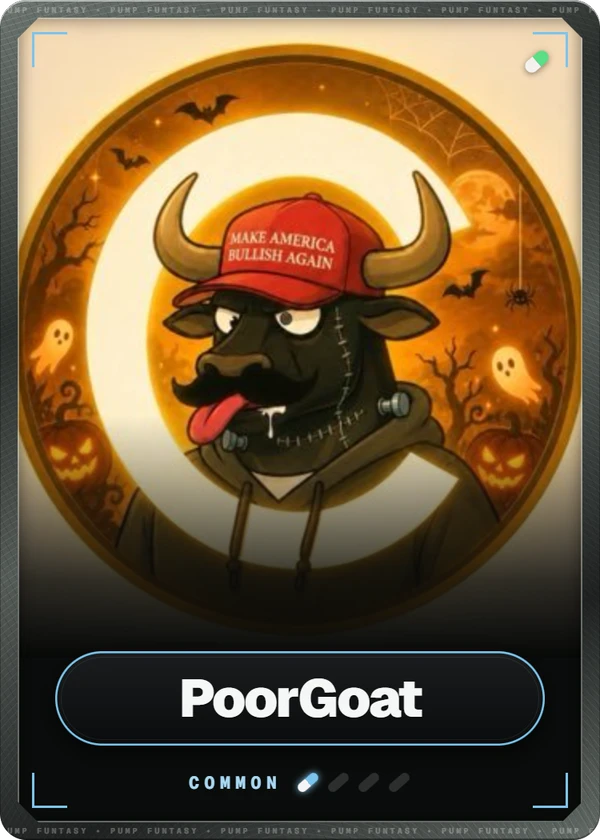
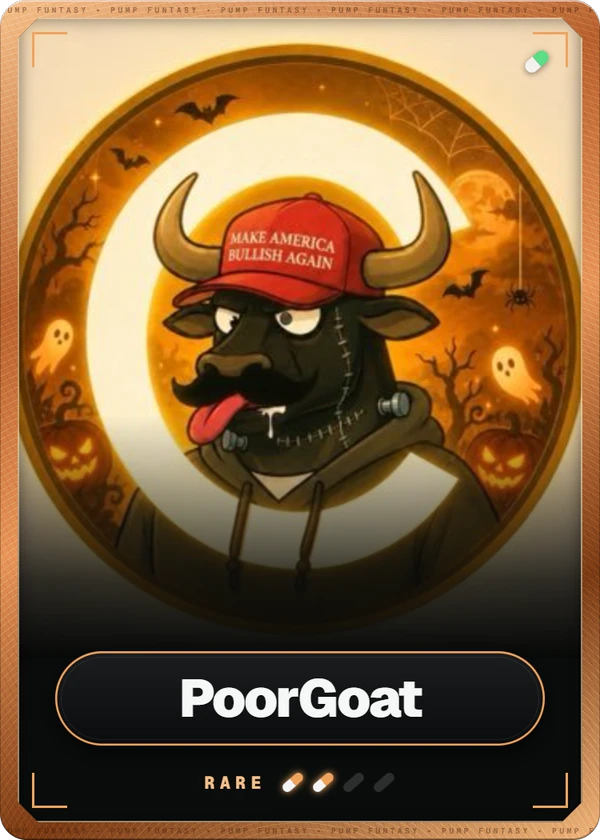
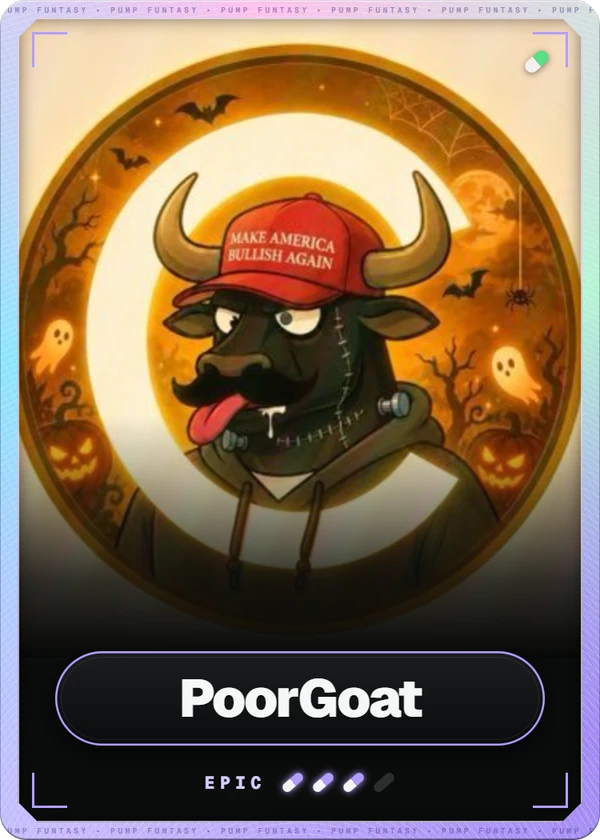
A Legendary card earns five times the points of a Common card of the same trader. Every card also carries a number after the trader's name (for example PoorGoat #0007), unique across the whole collection.
A card's trader and rarity are fixed when it is minted. What moves every day is the trader's score, so a card is worth whatever its trader is doing right now.
Packs & the pool
A pack is 5 cards, paid in $PF. It is dealt from a fixed pool like a deck of cards, not rolled from drop rates.
The shop sells 1,111 packs: 5,555 cards, split evenly across the roster. Every pack takes five cards out of what is left and nothing goes back in, so when a rarity runs low it gets rarer for everyone after you. The Shop shows how many packs remain.
dealt without replacement
On a fresh pool each card is a Legendary with a chance of 120 in 5,555 (2.2%), an Epic 8.1%, a Rare 27.0% and a Common 62.7%. The draw happens inside the opening transaction, and the cards are minted straight to your wallet, whether you open right away or later.
Half of the $PF you pay is burned for good; the other half goes to the prize pool. Reward packs from battles are extra: they come from their own unlimited supply with the odds of a fresh shop pool, and never take packs away from the 1,111 in the shop.
Crafting
Three of a kind (same trader, same rarity) become one card of that trader in the next rarity.
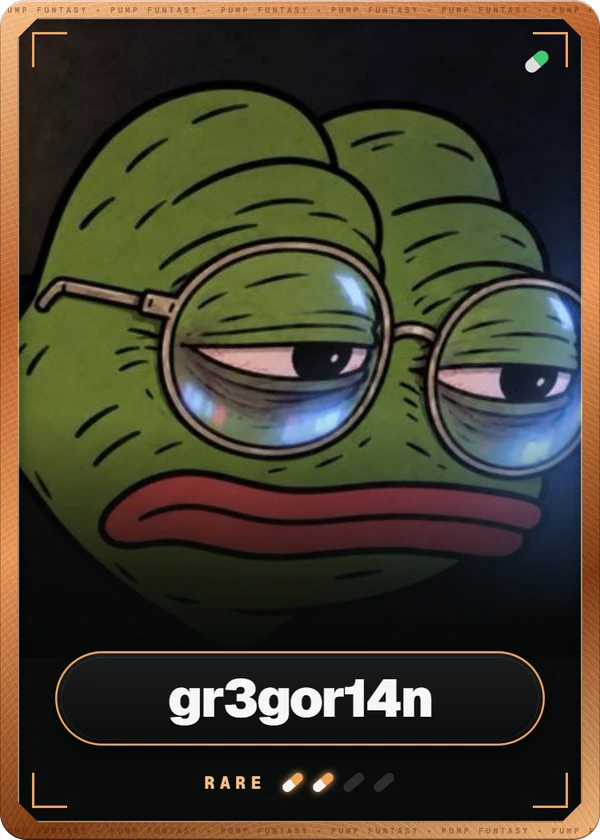 3 burned
- 3 Common → 1 Rare, 3 Rare → 1 Epic, 3 Epic → 1 Legendary. Legendary is the top.
- The three cards burn in the same transaction that mints the new one. No failure chance, no fee beyond the network fee.
- Cards locked in a deck or listed for sale can't be used. Unlist them first.
- The new card takes the lowest free number in the collection, which the burned cards may have just freed.
In points it is a trade: three Commons are 3 × 1.0 = 3.0 spread over three deck slots, one Rare is 1.5 in a single slot. You craft to free slots for other traders and to climb toward Legendary, where one card counts five times.
Where the data comes from
Two public sources: each trader's Solana wallets and their X account.
Trades
A listener follows every trader wallet and records swaps as they happen. A trade counts once the whole position is closed, meaning at least 95% of the tokens bought are sold. Partial sells wait.
- At least $100 must go into the position. Several small buys of the same token add up.
- Only tokens the trader bought count. Airdrops and transfers in, and the money from selling them, are left out, so gifts can't fake a profit.
- Cost basis is the average price over all buys. ROI is profit in dollars divided by dollars put in.
- A trade belongs to the day it closed (UTC).
Posts
Posts on X are collected twice a day with views, likes, reposts and replies. Each post gives an engagement rate (interactions ÷ views) and its reach (views). A post belongs to the day it was published.
Scoring
Each trader gets a score from 0 to 100 for a window of days. It depends only on that trader's own trades and posts, never on how the rest of the roster did.
Trading = 0.7 × ROI points + 0.3 × win-rate points     (50 if no closed trades)
Social  = 0.7 × engagement points + 0.3 × reach points (0 if no posts)
Base    = 0.6 × Trading + 0.4 × Social
Small samples are pulled toward the middle, so one lucky trade or one viral post can't crown anyone: ROI is multiplied by n/(n+2) for n closed trades, win rate starts from one win and one loss, and engagement leans toward a typical 1.5% until the trader has posted a few times.
Then Base goes into one of three bands, so anyone who lost money in the window ranks below anyone who didn't trade, and real profit ranks above both:
in loss (ROI < 0)              Total = Base × 30 / 70   →  0–30
neutral (no trades, ROI ≤ 10%) Total = 30 + Base / 5    → 30–50
in profit (ROI ≥ 50%)          Total = 50 + Base / 2    → 50–100
ROI 10–50%                     slides from neutral into profit
Move the sliders and watch every step for a made-up trader:
ROI between 10% and 50%: sliding from the neutral band into the profit band.
From trader to deck
A card earns its trader's score × its rarity multiplier. A deck scores the sum of its five cards.
sadcrissy83.8×1.5— cupsey76.4×1—
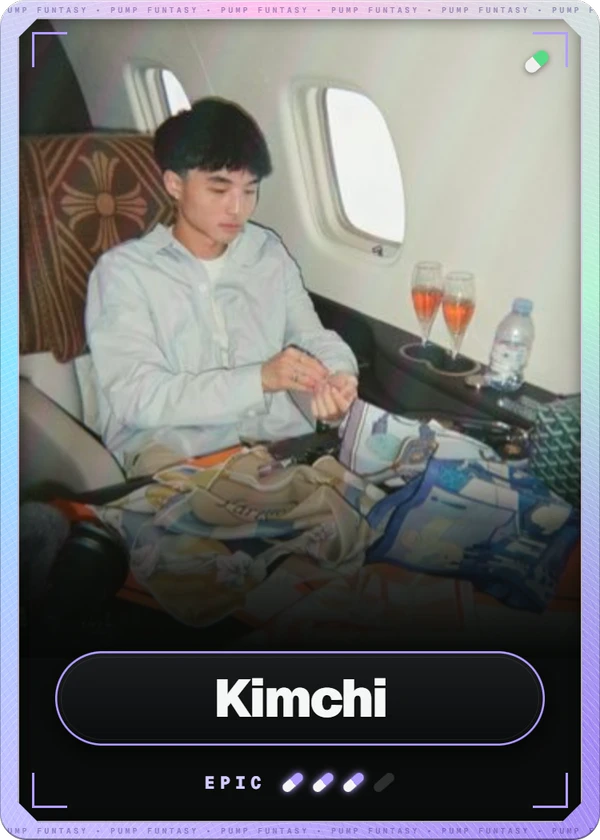 Kimchi56.3×2.5—
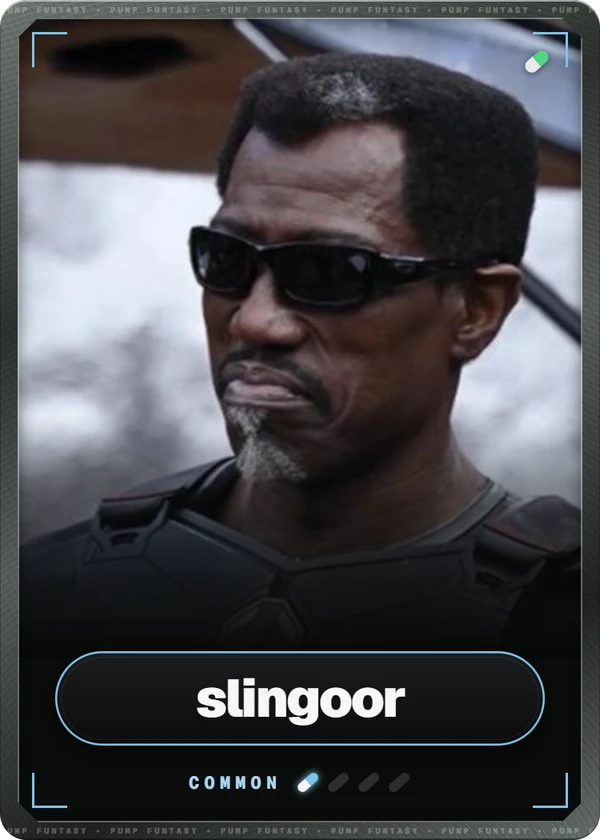 slingoor46.5×1—
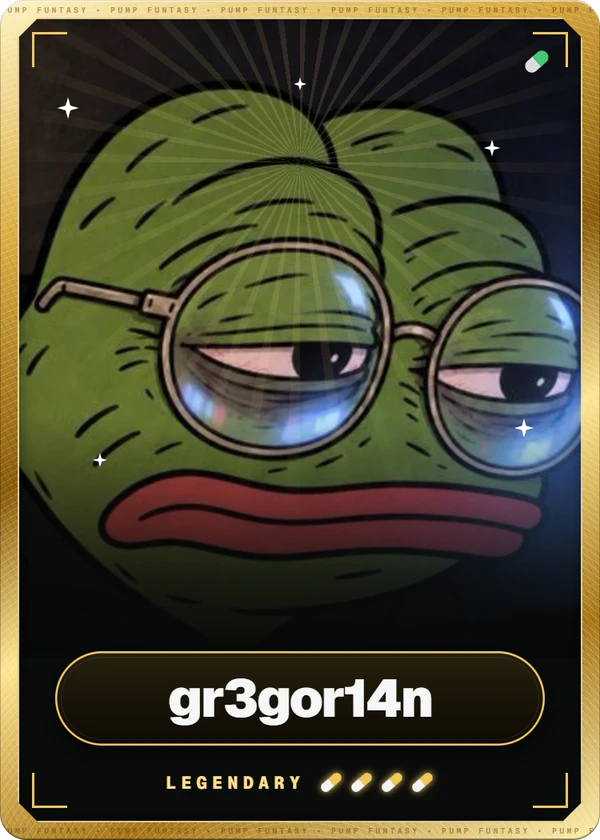 gr3gor14n41.9×5—
Leaderboard
Every trader on the roster, ranked by their score over the last 7 days.
The window rolls: each day the oldest day drops out and today comes in. Next to each trader you see the parts of the score (win rate, ROI, trades, Trading and Social) and can open an audit with every counted trade and post.
It is how you pick cards, because it shows who is in form. It is also what battles score: a deck is worth its cards' 7-day scores at the moment the battle ends.
Battles
Two battles run nonstop, round after round: a short registration, then the battle, and the next round opens the moment it ends.
- Blitz: 1 minute to lock, a 5-minute battle, a new round every 6 minutes. Marathon: 10 minutes to lock, a 1-hour battle, a new round every 70 minutes.
- One deck per battle. Deck 1 plays Blitz, deck 2 plays Marathon: five cards each, five different traders per deck. A card sits in one deck at a time.
- Free entry. Only the network fee, plus a small refundable deposit for the deck record that comes back when you unlock.
- Locking freezes the five cards in your wallet. They never leave it, but can't be sold, moved or crafted while locked. You can pull the deck until the battle starts.
- Scoring: when the battle ends, each card scores its trader's 7-day score at that moment × its rarity, summed over the deck. A trader who closes a big trade mid-battle can carry you; one who eats a loss can sink you. Standings are live.
- After the battle, unlock your cards on the Competition page, or press Play again to move the same deck into the next round with one signature.
Rewards
Each battle has its own reward table: places are grouped into ranges, and each range pays SOL, packs or both, every round.
For example: 1st, 2nd, 3rd, places 4–10. Decks below the last range just get their cards back. The table is on the Competition page, and a round's rewards are fixed the moment its battle ends.
- SOL goes to the winning wallets after the round.
- Packs are yours to claim: open your inventory and press Claim. The program checks the reward and adds the packs, ready to open. Each reward can be claimed once.
The prize pool fills up from three places. Cards are standard Solana NFTs (Metaplex Core), so they can also change hands on Magic Eden; every resale pays a 2% royalty into the pool.
Contracts & links
The official addresses on Solana. Check them before you buy $PF or a card.
$PF is the game token: it pays for packs. Every trade of $PF carries a 1% fee on the buy and 1% on the sell, paid to the prize pool, and half of every pack payment is burned, so ripping packs shrinks the supply.
Cards use the Metaplex Core standard. The program holds the card pool, deals cards, crafts them and locks decks; scores are computed off-chain from public data with the formula above.
FAQ
Not yet. The game program and the card collection are deployed (addresses below); the shop opens when $PF launches.